(Article is written by Anshu Sharma, Expert of Sociology, UGC NET qualified, Experience of 18+ years, Alumna of IIM Bangalore and Women 10K Goldman Sachs, Worked in Government Projects and NGOs. Under her guidance many students have cleared Civil Services Exams since 2009 and are on the post of IAS, IPS, IRS, IAAS, IRTS, KAS) Call at 9916082261
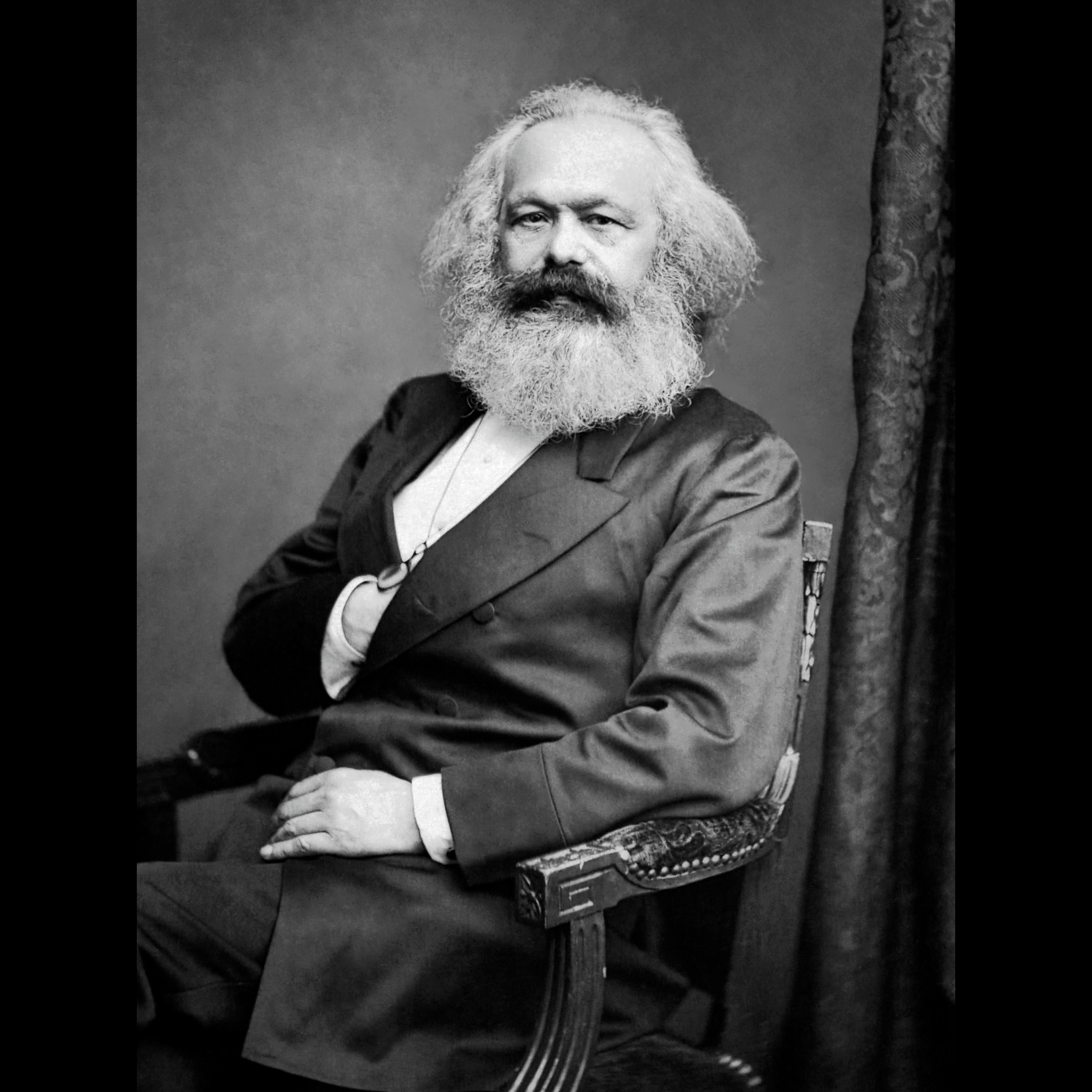
In sociology, Karl Marx gave the idea of class conflict, which means struggle between the rich (owners) and the poor (workers).
This idea is still very relevant in India’s current affairs.
What Did Karl Marx Say?
According to Karl Marx:
Society is divided into Bourgeoisie (rich class) and Proletariat (working class)
The rich control wealth and resources
Workers are exploited for profit
This creates conflict and inequality
👉 This theory helps us understand modern India.
Class Conflict in India Today
1. Rising Inequality (Rich vs Poor)
India is seeing a big gap between rich and poor:
Wealth is concentrated in a few hands
Workers struggle with inflation, low wages and job insecurity
Reports highlight that economic policies have increased inequality, with wealth accumulating among a small elite while workers face poverty and unemployment
👉 This is exactly what Marx called capitalist exploitation.
2. Workers’ Protests and Labour Struggles
A major example of class conflict:
February 2026 nationwide strike
Around 30 crore workers participated
Workers protested against labour laws and job insecurity
This protest showed growing resistance against capitalist policies and highlighted increasing class struggle in India
👉 Marx would call this class consciousness (workers becoming aware).
3. Labour Codes and Job Insecurity
New labour reforms are criticized because:
They may reduce worker protections
Increase contract jobs
Reduce bargaining power
Workers feel these policies benefit companies more than labour.
👉 This reflects Marx’s idea:
State often supports the ruling class (bourgeoisie).
4. Farmers and Worker Unity
Recent protests show:
Farmers + workers coming together
Demand for fair prices, wages and rights
This unity is important in Marxist theory because:
👉 Revolution happens when oppressed groups unite
5. Maoist (Naxal) Movement – Extreme Form of Class Conflict
India’s Maoist movement is based on Marxist ideas:
Focus on poor tribal and rural populations
Fight against inequality and land exploitation
Even in 2025–2026:
Security operations and clashes continue
Government aims to end insurgency by 2026
Experts say the movement continues because of deep inequality and injustice
👉 This shows how class conflict can turn violent.
6. 100 Years of Communist Movement in India
In 2025, India marked:
100 years of Communist Party of India (CPI)
This revived debates on:
Workers’ rights
Social justice
Economic inequality
Communist ideas influenced land reforms, labour rights, and equality debates in India
👉 This shows Marx’s ideas are still alive.
Marx vs Indian Reality
India is different from Marx’s theory because:
Caste + Class both matter
Leaders like B. R. Ambedkar focused more on caste inequality
India follows democracy not revolution
Still, class conflict exists strongly.
Why This Topic is Important for Sociology & UPSC
This topic helps you understand:
Poverty and inequality
Labour issues in India
Farmer protests
Economic policies
Social movements
👉 It is directly linked to Sociology, GS Paper 1 (Society) and GS Paper 3 (Economy) and Essay
Conclusion
In simple words:
👉 Karl Marx’s class conflict is clearly visible in India today
Rich vs poor gap is increasing
Workers are protesting
Farmers are demanding justice
Movements like Naxalism show extreme conflict
Karl Marx theory helps us understand that:
👉 Inequality creates struggle